The History and Wonder of Holiday Lights
Few sights warm the heart like a neighborhood glowing with twinkling lights in December. Whether it’s a string of bulbs outlining a roofline, candles glowing in windows, or a park filled with illuminated trees, these displays have come to symbolize warmth, togetherness, and the simple joy of light during the darkest days of the year.
And while many people associate them with Christmas, the history of holiday lights, and our love of illumination, spans far beyond a single tradition.
Long before electricity, people used light to celebrate hope
in the midst of winter. In ancient times, candles and bonfires were lit during the winter solstice to welcome the return of longer days and to honor the power of the sun.
That reverence for light, symbolizing renewal, faith, and joy, continues today
in countless ways: Hanukkah’s menorah candles, Kwanzaa’s kinara, the flicker of Advent candles, and even the glowing lanterns used in winter festivals around the world.
The modern tradition of stringing lights on trees and homes, however, began in 17th-century Germany, where families placed small wax candles on their
Christmas trees. These candles represented the light of Christ and the stars above Bethlehem, but they also brought real danger...fire. Trees were lit for only brief moments, and families kept buckets of sand or water close by, just in case.
Everything changed in 1882, when Edward H. Johnson, a colleague of Thomas Edison,
hand-wired 80 tiny red, white, and blue electric bulbs and wrapped them around his Christmas tree in New York City. Passersby stopped to gaze in awe at the glowing spectacle...safe, bright, and entirely new. It was the first electrically lit Christmas tree, and it sparked a revolution.
Still, electric lights were a
luxury. At first, only wealthy families or businesses could afford them, and professional electricians were often hired to install them. By the 1920s, as mass production made electric lights cheaper and safer, families across America began trading in wax candles for colorful strings of bulbs.
Department stores and city centers soon followed, using lights to create magical displays that drew crowds and brightened entire communities.
Since then, holiday lighting has become a creative art form and an expression of joy that transcends
faith and culture. From Diwali’s shimmering diyas to luminarias lining walkways, from menorahs in public squares to neighborhood light shows synchronized to music, the message is the same: light brings people together.
Today, as LED technology allows for endless colors and patterns, it’s easy to forget that the tradition
began with something as simple as a candle’s glow.
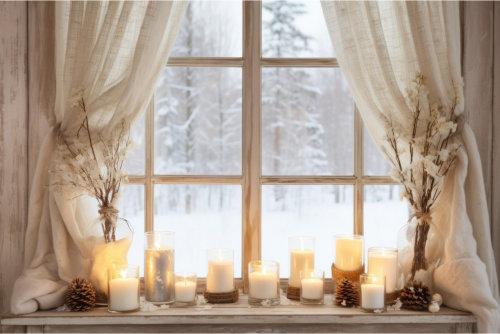
Whether you hang twinkling lights on a tree, set candles in your window, or just admire the sparkle of your town’s decorations, remember that the heart of the season is universal. It’s about
hope, warmth, and the comfort of knowing that, even in the darkest part of winter, there will always be light to guide us home.
Enjoying my newsletter? Please
REPLY and let me know! Also, please forward this newsletter to 5 of your family members and/or friends and share the love!
Here's what just one GON reader had to say...
"As Thanksgiving approaches, I just wanted to take a moment to say how grateful I am for your newsletters. They’ve become part of my weekly routine, like a friendly note from someone who truly understands how to make life
feel calmer and more manageable."
-- Karen in Sarasota, FL