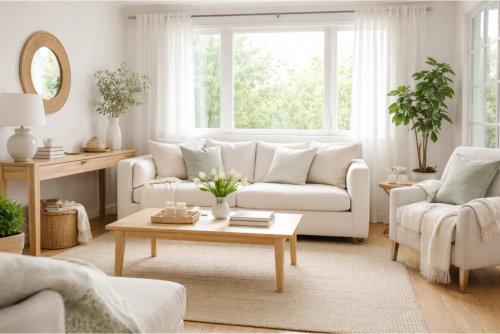
There’s something wonderful about walking into your home and immediately feeling at ease.
Your shoulders relax, you take a deeper breath, and it simply feels good to be there. Most of us want our homes to feel like that, especially after a busy day filled with responsibilities, errands, and commitments.
But that calm feeling doesn’t always happen automatically. Life moves quickly, and before long counters fill up, papers
accumulate, and rooms start to feel a little more chaotic than peaceful. The good news is that creating a calmer home usually doesn’t require a major overhaul or expensive purchases. In my experience, it often comes down to a handful of thoughtful habits and small changes that make a noticeable difference in how a space feels.
Here are
ten practical ways to help your home feel calmer and more peaceful.
1. Keep Surfaces Mostly Clear
One of the first things I notice when a room feels peaceful is how uncluttered the surfaces are. When kitchen counters, coffee tables,
nightstands, and desks are covered with stacks of papers, mail, or random objects, the room starts to feel visually busy, even if everything technically belongs there.
I like to keep most surfaces fairly open and then add just one or two intentional items that make the space feel pleasant. A small plant, a candle, or a simple tray can
add interest without creating clutter. When a surface looks spacious instead of crowded, the entire room immediately feels lighter and calmer.
2. Use Softer Lighting in the Evening
Lighting has a bigger impact on the mood of a room than
many people realize. Bright overhead lights are useful when you are cleaning, cooking, or tackling a project, but they can make a room feel a bit harsh once the day begins to wind down.
In the evening, switching to table lamps or floor lamps creates a much softer and more relaxing atmosphere. A lamp in the corner of a living room or on a side table can make the space feel warm and inviting. That gentle lighting almost signals that the busy part of the day is over and it is time to
slow down. 3. Do a Simple Evening Reset
One small habit that helps a home feel calmer is taking a few minutes in the evening to reset the main living areas. This doesn’t require a full cleaning session; it simply means putting a few things
back where they belong so the house feels orderly again.
Before heading to bed, I might straighten the couch pillows, clear the kitchen counter, and return a few items that wandered out of place during the day. Waking up to a tidy space makes the entire morning feel more relaxed and welcoming.
4. Bring a Bit of Nature Indoors
Natural elements have a way of softening a room and helping it feel more grounded. A simple houseplant on a table, a vase of fresh flowers on the kitchen counter, or a small arrangement of greenery can add life to a space in a very
gentle way.
During the spring and summer months, I sometimes clip a few branches with fresh leaves or flowers from the yard and place them in a simple vase. Little touches like this connect the indoors with the outdoors and give the room a fresh, peaceful feeling.
5. Let Fresh Air Circulate Through the House
Opening the windows, even for a short time, can completely change how a room feels. Fresh air makes a space feel lighter, cleaner, and more comfortable.
On days when the weather allows it, I like to open the windows and let the air move through the house for a while. It clears out stale air and replaces it with something that feels new and refreshing.
6. Create a Simple Landing Spot Near the
Door
Homes often begin to feel chaotic when everyday items do not have a designated place to land. Keys, sunglasses, bags, and mail can quickly spread throughout the house if there is no simple system in place.
A small tray, bowl, or basket near the entrance works wonderfully as a landing spot for these items. When everyone knows exactly where to put things the moment they walk through the door,
clutter is far less likely to travel from room to room. 7. Edit Your Decor from Time to Time
Sometimes a room feels unsettled simply because there is too much visual activity. Too many decorative items, colors, or patterns can make a space
feel busy rather than relaxing.
Every now and then, it helps to step back and remove a few things to see how the room feels with less. Often the space immediately looks cleaner and more peaceful. A few meaningful pieces tend to create a calmer atmosphere than shelves and tables filled with small decorative
items.
8. Create One Comfortable Spot for Relaxing
It can be helpful to have a particular place in the house that almost invites you to sit down and unwind. This doesn’t have to be a large or elaborate space; it can simply be a comfortable
chair, a soft throw blanket, and a good lamp.
A chair near a window, a cozy corner of the couch, or a small reading nook can become a favorite place to relax with a cup of tea or a good book. When that spot stays uncluttered and welcoming, it naturally encourages moments of rest.
9. Reduce Unnecessary Background Noise
Constant background noise can make a home feel surprisingly restless. A television playing when no one is watching, devices chiming with notifications, or multiple sources of sound at once can quietly add tension to the
environment.
Turning off devices that are not being used or lowering notification sounds can help restore a sense of quiet. Sometimes calm simply comes from creating a little more silence in the home.
10. Keep Everyday Essentials Easy to Find
Few things disrupt a calm moment faster than searching the house for something you use every day. When items like scissors, chargers, reading glasses, or notepads do not have a regular home, frustration can quickly build.
Keeping frequently used items in predictable places makes daily routines smoother. A small drawer organizer, decorative box, or basket can hold these essentials so they are always within reach when needed. Creating a calmer home does not require perfection, and it certainly does not mean that every room must look like a magazine photo. What matters most is that your space supports comfort and ease. When surfaces
are clear, lighting is gentle, and everyday items have simple homes, your house begins to work with you rather than against you.
Often it is the smallest adjustments that make the biggest difference, and once you experience the peaceful feeling of a calmer home, you will naturally want to keep it that way.
On another note...
Whether I’m
traveling, driving, walking, doing things around the house, or relaxing with a chapter before bed, audiobooks fit naturally into parts of my day when reading a physical book isn’t practical. Sometimes it’s simply a nice way to give my eyes a break and enjoy a story in a different way. If you’ve been curious about audiobooks, this might be the perfect time to give Audible a try.