Not all clutter looks like clutter at first.
Some clutter comes into our lives with the best of intentions. It’s the recipe you printed because the dish looked so delicious. It’s the craft supplies you bought for a project you were excited to make. It’s the dress you picked up because you imagined somewhere special to wear it. It’s the stack of books you fully intended to read, the home décor item you were sure you’d use, or
the basket meant to help you get better organized.
None of these things were brought into your life carelessly. In fact, many of them came from a hopeful place. They represented a future version of life that felt productive, creative, organized, stylish, or fun. That’s what makes this kind of clutter tricky. It’s not junk. It’s
possibility. And that can make it much harder to part with.
The problem is, good intentions still take up space.
They take up room on shelves, in drawers, in closets, on countertops, and in the back of our minds.
Sometimes the clutter that weighs on us most is not made up of useless things, but of unfinished hopes and postponed plans. The recipe cards remind us of meals we never made. The scrapbook supplies point to projects we didn’t begin. The pretty blouse in the closet still has tags on it because the
occasion never came, or maybe because it wasn’t quite right after all.
There’s a quiet kind of pressure that comes from being surrounded by things we meant to use. Instead of feeling inspired, we can start to feel guilty. Every item becomes a little reminder of what we haven’t done yet. Read the book. Use the candle. Wear the outfit.
Hang the picture. Finish the project. Try the idea.
That’s when clutter becomes more than physical. It starts to feel emotional.
Many of us hold onto these things because we
don’t want to waste money, waste potential, or admit that our plans changed. Maybe we still think we’ll get to it someday. And sometimes we will. But sometimes “someday” quietly turns into never, and the item remains, not because it’s serving us now, but because it represents who we thought we were going to be.
That can be hard to
admit.
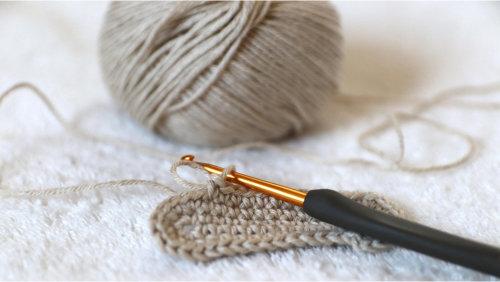
Maybe you bought knitting supplies because you imagined cozy evenings making handmade gifts, only to realize you’re not actually a knitting person.
Maybe you have a bin of seasonal decorations that never made it out because each year felt too busy.
Maybe your shelf is full of self-improvement books you meant to read when life calmed down.
Maybe there are pantry ingredients for recipes that seemed exciting at the time but no longer match how you really cook.
There is nothing wrong with having hopes, trying new things, or preparing for projects that matter to you. But it’s worth paying attention when those hopeful purchases begin to pile up and become a burden instead of
a blessing.
Sometimes the most freeing thing you can do is be honest.
Ask yourself: Is this item supporting the life I live now, or is it tied to a version of life I keep
feeling guilty about not creating? Would I buy this again today? Do I still want this, or do I just feel bad letting it go? Am I keeping this because it’s useful, or because it represents a good intention I haven’t fulfilled?
Those questions can gently reveal what’s really going on.
Letting go of these items doesn’t mean you failed. It doesn’t mean you lack discipline, creativity, or follow-through. It may simply mean your interests changed, your life shifted, your schedule filled up, or your priorities became clearer. That’s not failure. That’s life.
It can also relieve the quiet mental load that comes
from seeing unfinished ambitions every day. A clutter-free space isn’t only about neatness. It’s also about peace.
There’s something comforting about looking around your home and seeing things that support your real life rather than remind you of a long list of unstarted plans. That doesn’t mean you can’t dream, explore, or try new
things. It simply means being a little more mindful about what gets to take up space in your home and in your heart.
When you come across a pile of recipes you never made, a project you never started, or items you bought with every intention of using but never did, be kind to yourself. Appreciate the good intention behind it. Then
decide whether it still belongs in your life today.
Sometimes the kindest form of organizing is letting go...not just of stuff, but of the pressure attached to it.
P.S. Home Improvement Finds That Make Your Home Work Better
Freshen up your space with practical home improvement finds that help you organize, update,
repair, and simplify everyday life. My carefully curated list will make small projects easier and help your home look and function better! Access Here