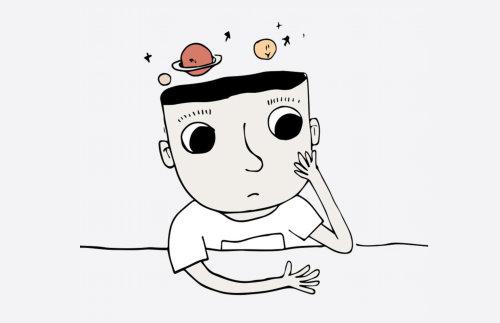
Have you ever walked into a room and completely forgotten why you went in there? Or stood in
the grocery store thinking, I know I needed something else…but it just won’t come to you?
Memory isn’t just something we either "have" or "don’t have." It’s something we "use" or "don’t use" every single day. Just like a closet that gets cluttered when we ignore it, our memory can get a little messy when we stop engaging
it.
When we don’t actively use our brains, the connections between brain cells weaken over time. Think of it like a path in the woods. If you stop walking it, it slowly disappears. The brain becomes less efficient at storing and retrieving information, and that’s when we start feeling foggy, forgetful, or
scattered.
The good news? You don’t need puzzles or apps to keep your mind sharp. You just need to use your brain in thoughtful, everyday ways. Here are some fresh, practical ideas to help you do just that:
1. Narrate Your Life
Instead of moving through your day on autopilot, try quietly narrating what you’re doing.
"I’m putting my keys on the hook by the door."
"I’m placing the bill in my purse to mail tomorrow."
It sounds simple, but this creates a stronger mental imprint. You’re giving your brain an extra cue to latch onto, which makes it much easier to
remember later.
2. Change Where You Put One Everyday Item
We thrive on routine, but routine can also make us stop thinking. Pick one item you use daily (like your water bottle or sunglasses) and intentionally place it somewhere slightly
different, but logical. Your brain has to engage instead of relying on autopilot, which strengthens awareness and recall.
3. Use "Memory Anchors" Around Your Home
Attach tasks or reminders to things you already do.
For example: Put a sticky note on your coffee maker to remind you to take vitamins. Place your library book in front of your purse so you don’t forget to return it. This connects new information to existing habits...one of the most powerful ways to improve memory.
4. Create Mini "Pause Moments"
We forget things because we move too fast.
Before leaving the house, pause for 10 seconds and ask: "Do I have everything I need?" Before ending your day, pause again: "What needs attention tomorrow?" These tiny check-ins help your brain organize information
instead of letting it slip through the cracks.
5. Say Names Out Loud (Right Away)
When you meet someone new, use their name immediately. "Nice to meet you, Karen." Then use it again before the conversation ends. Then think about Karen for
the next 10 minutes...her hair, her smile, something funny she said. This locks the name into your memory much more effectively than just hearing it once and hoping it sticks. Adding it to a list app in your phone helps too...the act of typing it in. And if you still forget, your phone will remember for you!
6. Touch It Once
and Finish It
Every time you pick something up and set it down for later, your brain has to remember that unfinished task. Instead, train yourself to complete small actions immediately: Open the mail and deal with it. Take off your shoes and put them where they belong. Fewer loose ends = less mental clutter = better memory.
7. Tell Yourself a Quick Story
If you need to remember something unusual, turn it into a tiny story. Need to remember eggs, batteries, and a birthday card? Picture cracking eggs onto a battery while writing a birthday message. Silly? Yes. Memorable? Also yes. Your brain loves images and stories more than plain
lists.
8. Rearrange a Small Space
You don’t have to redo a whole room. Just change one small area. When you do this, your brain has to re-map where things are. That mental effort strengthens spatial memory and keeps your mind
engaged.
9. Write It Down...But With Intention
Writing something down is helpful…if you actually process what you’re writing. Instead of just quickly jotting a note, take a moment to: Read it back to yourself. Visualize completing it. This
extra step helps move the information from short-term to longer-term memory.
10. Get Curious About Everyday Things
Curiosity is one of the best memory boosters there is. Instead of brushing past things, pause and wonder: "Why is this
organized this way?" "What would happen if I did this differently?" When you engage your brain with curiosity, you naturally remember more.
Memory isn’t just about remembering where you put your keys. It’s about being present in your life. When we rush, multitask, and operate on autopilot, we miss details…and those details are exactly
what memory is built on.
But when we slow down just a little, pay attention, and give our brains something to work with, everything changes. You feel sharper. More in control. More aware.
Try this today: Pick just one tip, maybe narrating your actions or creating a pause moment, and use it consistently. You don’t need to overhaul your routine. A small shift is all it takes to start strengthening your memory.
And when you notice it working? That little spark of "Oh, I remembered!" feels really
good.
P.S. Mother’s Day Gifts That’ll Actually Get Used (and Loved!)
Thoughtful, feel-good gifts that the special moms in your life will actually use on repeat...practical, a little pampering, and guaranteed to make her smile long after Mother’s Day!