We live in a remarkable time. Need groceries? They'll arrive at your door. Need to remember
a birthday? An app will remind you. Need a gadget to slice avocados, organize cords, fold laundry, track water intake, monitor sleep, or automate your lights? There seems to be a product for everything.
Convenience is wonderful. Many modern tools save time, reduce effort, and make daily life easier. But sometimes convenience has a
hidden cost that we don't notice until our homes, schedules, and minds begin to feel crowded.
The irony is that many of the things designed to simplify our lives can gradually make them more complicated.
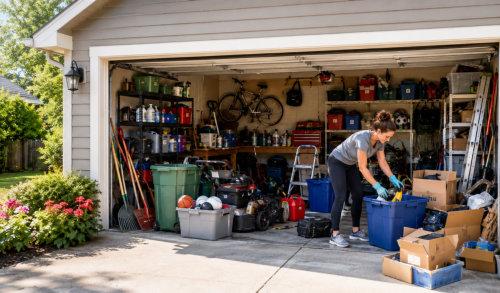
Take gadgets, for example. A single-purpose kitchen tool may seem helpful when you buy it. Then another catches your eye. Before long, drawers are packed with devices used once or twice a year. The avocado slicer joins the banana keeper, the egg separator, and the special vegetable chopper. Individually, each item seems useful. Collectively, they consume space, create clutter, and make it harder to find the things you use every
day.
Subscriptions can create a similar problem. Many start with good intentions. A streaming service here. A meal plan there. A monthly box filled with exciting surprises. A premium app that promises to improve productivity. Individually, none may seem like a big deal. But over time, subscriptions can quietly multiply until you're
paying for services you rarely use, receiving items you don't need, and spending mental energy managing accounts, passwords, renewals, and cancellations.
Convenience often comes with maintenance. The same thing can happen with shortcuts. We buy organizers to contain clutter instead of reducing the clutter itself. We purchase larger
storage bins rather than questioning whether we need to keep everything. We download apps to manage tasks that might have been handled perfectly well with a simple notebook. Sometimes we solve a problem by adding another layer of complexity.
Even our digital lives aren't immune. Smart devices promise greater control, yet many people
find themselves troubleshooting connections, updating software, resetting passwords, and managing notifications from devices that were supposed to make life easier.
None of this means convenience is bad. The goal isn't to reject modern tools or make life
unnecessarily difficult. The goal is to be intentional. Before adding something new to your life, it's worth asking a simple question:
"Will this truly make life simpler, or will it create something else I need to manage?"
The answer isn't always obvious in the moment.
A useful rule of thumb is that every possession, subscription, gadget, membership, or service comes with a hidden responsibility attached to it. It requires space, money, attention, maintenance, or time. The more we
accumulate, the more of those resources we spend.
True simplicity isn't about having the latest shortcut. It's about reducing the number of things competing for our attention.
Sometimes the easiest solution is not adding something new. Sometimes it's removing something old.
The most organized people aren't necessarily the ones with the most systems, gadgets, or productivity tools. They're often the ones who have learned to keep things simple enough that they don't need
them.
Convenience can be valuable. Just make sure it's actually buying simplicity and not quietly selling you complexity in disguise.
P.S. Father's Day Gifts for the Win!Celebrate dad in style! Whether he’s into grilling, gadgets, golf, or good old relaxation, this list is packed with winning Father’s Day gift ideas he’ll actually love and use. Thoughtful, fun, and totally dad-approved! Access Here