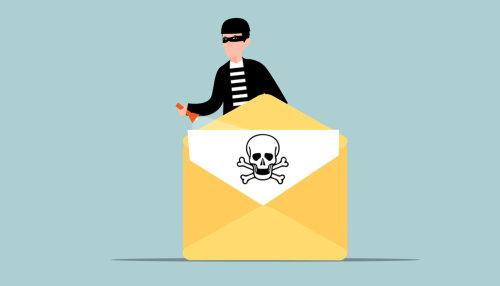
The other day, I received an email that looked like it came from my cable company. The
message said their database had been compromised and my personal identification had been stolen. That’s enough to rattle anyone.
But before I reacted, I glanced at the “From” field. The email address was clearly not from my cable company. Not even close. That was my first clue. I didn’t click anything. I didn’t respond. I promptly
deleted it.
That very same day, I received a text message on my phone that appeared to be from UPS. It said there was a delivery delay on something I ordered and included a link to “resolve the issue.” Here’s the thing: I hadn’t ordered anything. Another scam. Two in one day.
That’s when it really hit me how constant and polished these attempts have become. They aren’t sloppy anymore. They look official. They feel urgent. And they’re designed to trigger emotion before logic.
So let’s talk about what’s happening.
The “Urgent Account Problem” Emails
I’ve noticed more email messages lately that say things like:
“Unusual activity
detected”
“Your account has been locked”
“Payment failed”
“Verify immediately”
They often use real logos and formatting that looks legitimate.
I never click the
link.
If I’m concerned, I open a fresh browser window and go directly to the company’s official website myself.
I log in there.
If there’s a real issue, it will show up inside my account.
Almost ALL the time, there’s nothing wrong.
The “Package Delivery Problem” Texts
That UPS text was such a good example. It looked polite and professional. But it included a shortened link, and it wanted me to
click quickly. No, thank you.
If I’m expecting a package, I track it directly on the carrier’s real website, not through a random link.
The Fake Bank Fraud
Calls
I haven’t had one recently, but I know people who have. Someone calls claiming to be from your bank’s fraud department. They say there’s suspicious activity. They may even know your name. Then they ask you to “verify” your card number (or your social security number) or read them a one-time code sent to your phone.
If someone calls me about my account, I hang up and call the number on the back of my card. Real banks will never be offended if you verify them.
Tech Support Pop-Ups and Calls
Have you ever seen one of those pop-ups that says your computer is infected and you must call immediately?
Close the tab.
Restart your
computer.
Legitimate companies like Microsoft or Apple do not cold-call you about viruses. They don’t create flashing emergency screens demanding immediate action. Scammers rely on panic.
The Government Threat Calls
If someone calls claiming to be from the IRS and threatens arrest unless you pay immediately with gift cards, it’s fake. Government agencies send official letters first. They do not demand payment through gift cards or cryptocurrency. If you’re ever unsure, you can verify information through official sources like the Federal Trade Commission
website.
Why Are Scammers Doing This?
Because it works.
They don’t need to fool everyone. They only need a small percentage of people to respond. If they send out 100,000 emails and even 1% fall for it, that’s still a significant payday.
Many of these scams originate overseas. They often operate through layers of fake
accounts, spoofed phone numbers, encrypted messaging apps, and cryptocurrency payments. The money moves quickly and across borders, making it incredibly difficult for law enforcement to track and recover.
In other words, it’s low risk for them and high reward.
That’s why prevention, on our end, is so important.
What I’m Noticing About All of Them
They all share the same patterns:
Urgency (“Act now!”)
Fear (“Your identity was stolen.”)
Authority (“We are from your bank.”)
Pressure (“Click immediately.”)
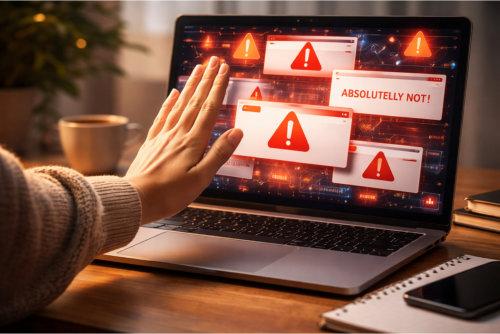
They want you to react quickly, not thoughtfully. That’s why I always make it a habit to pause.
Even five seconds helps.
Here are the small habits I apply each day.
I check the sender’s full email address.
I never click links from unexpected messages.
I go directly to official websites instead.
I don’t answer unknown numbers.
I review my bank statements regularly.
I’ve enabled two-factor authentication wherever possible. If you’re not familiar with two-factor authentication (sometimes called 2FA), here’s what it means:
It’s an extra layer of security beyond just
your password. After you enter your password, the company sends a temporary code to your phone or email. You must enter that code to finish logging in.
So even if someone somehow steals your password, they still can’t get into your account without that second code.
Most banks, email providers, and shopping websites offer this option in their security settings. It’s worth turning on.
A Gentle Reminder
Scammers are clever. They are professional manipulators. Anyone can be
fooled on a busy or distracted day.
Even someone who is generally careful can feel that split-second rush of worry when a message looks real.
But that pause? That glance at
the email address? That decision not to click? That’s what protects you.
If something feels off, it probably is. Delete. Hang up. Verify independently.
Your peace of mind is
worth far more than reacting quickly.
Please be extra careful.
P.S. Ready for some spring cleaning?
Freshen up your home this spring with my favorite cleaning helpers that make tackling dust, grime, and everyday messes faster, easier, and more satisfying...so you can enjoy a cleaner, brighter space with less
effort! Access Here