Most of us don't think twice about the notifications that pop up on our phones, tablets,
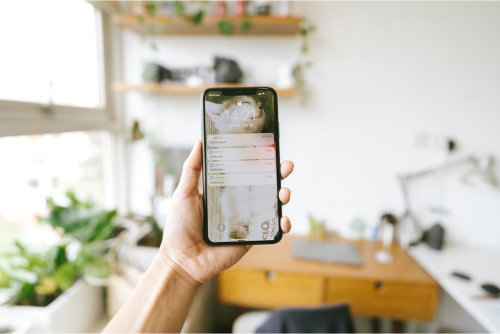
computers, watches, and other devices throughout the day. A text message arrives. An email notification appears. A social media app alerts us to a new comment. A news app delivers a breaking story. A shopping app announces a sale. Before long, our devices seem to be talking to us constantly.
The common assumption is that notifications
only become a distraction when we stop what we're doing and respond to them. But the reality is that notifications often cost us something even when we completely ignore them.
Every notification is a tiny request for attention. The moment a banner appears on your screen or your phone buzzes in your pocket, your brain automatically
wonders: What was that? Is it important? Do I need to deal with it?
Even if you decide not to look, part of your attention has already been pulled away from whatever you were doing.
Researchers sometimes refer to this as an attention residue. A portion of your mind remains occupied by the interruption, even after you've attempted to return to your original task. The notification may only last a few seconds, but the mental disruption can linger much longer.
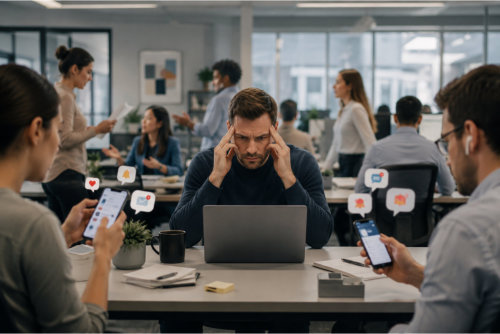
This becomes especially noticeable when you're trying to focus. Imagine reading a book, working on a project, balancing your finances, organizing a room, or having an important conversation. Every buzz, ding, pop-up, vibration, or flashing icon creates a tiny crack in your concentration.
One interruption may not seem significant, but dozens throughout the day can leave you feeling mentally scattered and exhausted.
Notifications also create a subtle sense of urgency. Most are designed to make us feel that something requires immediate attention. Yet the
vast majority are not urgent at all. A sale ending tomorrow, a social media update, a game reminder, or a promotional email rarely needs an immediate response.
Nevertheless, our brains often react as if they do.
Over time, this constant stream of interruptions can contribute to feelings of overwhelm. Many people describe a sense of always being "on," even during moments when they are supposedly relaxing. Instead of fully enjoying a quiet evening, they're mentally juggling a steady stream of alerts, reminders, updates, and messages.
The good news is that you don't have to eliminate technology to regain some peace. Simply becoming more selective about which notifications are allowed can make a tremendous difference. Most devices allow you to turn off nonessential alerts while keeping the ones that truly matter.
Your attention is one of
your most valuable resources. Every notification asks for a small piece of it. By reducing unnecessary interruptions, you create more space for focus, calm, and the things that deserve your full attention.
P.S. Father's Day Gifts for the Win!Celebrate dad in style! Whether he’s into grilling, gadgets, golf, or good old relaxation, this list is packed with winning Father’s Day gift ideas he’ll actually love and use. Thoughtful, fun, and totally dad-approved! Access Here