The Amazing Journey of the Coconut
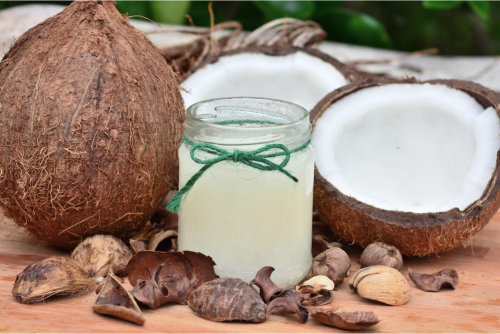
Coconuts are remarkable. For starters, they aren't actually nuts. Botanists classify coconuts as a type of fruit called a drupe, which is the same category that includes peaches, cherries, and olives.
The coconut palm itself is a champion of survival. It thrives in sandy soil, tolerates salty
ocean spray, and can withstand powerful tropical storms. Some coconut palms live for 60 to 80 years and produce thousands of coconuts during their lifetime.
One of the coconut's most fascinating abilities is its talent for travel. While coconuts grow high in coconut palms, mature coconuts that fall into the ocean can
float for long periods of time. Their thick fibrous husks act like built-in life jackets, allowing them to drift to distant shores and occasionally start new coconut palms far from where they originated.
The familiar "three eyes" on one end of a coconut are actually germination pores. One of them is soft enough to allow a
new sprout to emerge when conditions are right.
Young green coconuts contain coconut water, while mature brown coconuts contain more coconut meat. As the fruit matures, some of the liquid is converted into the white flesh that many people enjoy in desserts, candies, and baked goods.
Coconut palms can grow more than 80 feet tall, about the height of an eight-story building. A healthy tree may produce 50 to 100 coconuts in a single year.
People have found
uses for nearly every part of the coconut. The meat becomes food. The water becomes a beverage. The oil is used in cooking and personal care products. The husk can be turned into rope, mats, brushes, and even planting material. The shell can be crafted into bowls, cups, ornaments, and musical instruments.
In some parts of
the world, specially trained monkeys have been used to help harvest coconuts, although today most commercial harvesting is done by people using climbing equipment or long poles.
In many tropical cultures, the coconut palm is known as the "Tree of Life" because it provides food, shelter, tools, and materials for everyday
living
It's hard to think of another fruit that can feed you, hydrate you, shelter you, and still find time to float across an ocean!
Enjoying my newsletter? Please REPLY and let me know! Also, please forward this newsletter to 5 of your family members and/or friends and share the love!
Here's what just one GON reader had to say...
"Maria, Amen to Louise's comments about your writing skills in
your May 10 issue! You write so well that I hadn't thought about it until she pointed it out. To me that's the sign of good writing, that the reader gets involved with the content and doesn't think about anything else." -- Sally
Youngs
Response from Maria: Awwww... that is so incredibly kind of you. I am truly humbled by your note, Louise's note, and the many other thoughtful messages I receive. Every one of them means more to me than you know. I feel genuinely blessed and deeply grateful for such wonderful readers. Thank you!!